
China Sourcing
Common Mistakes First-Time Importers Make When Sourcing From China
The most frequent errors new importers make — from chasing the lowest price to vague shipping terms — and how to avoid each one before you place an order.
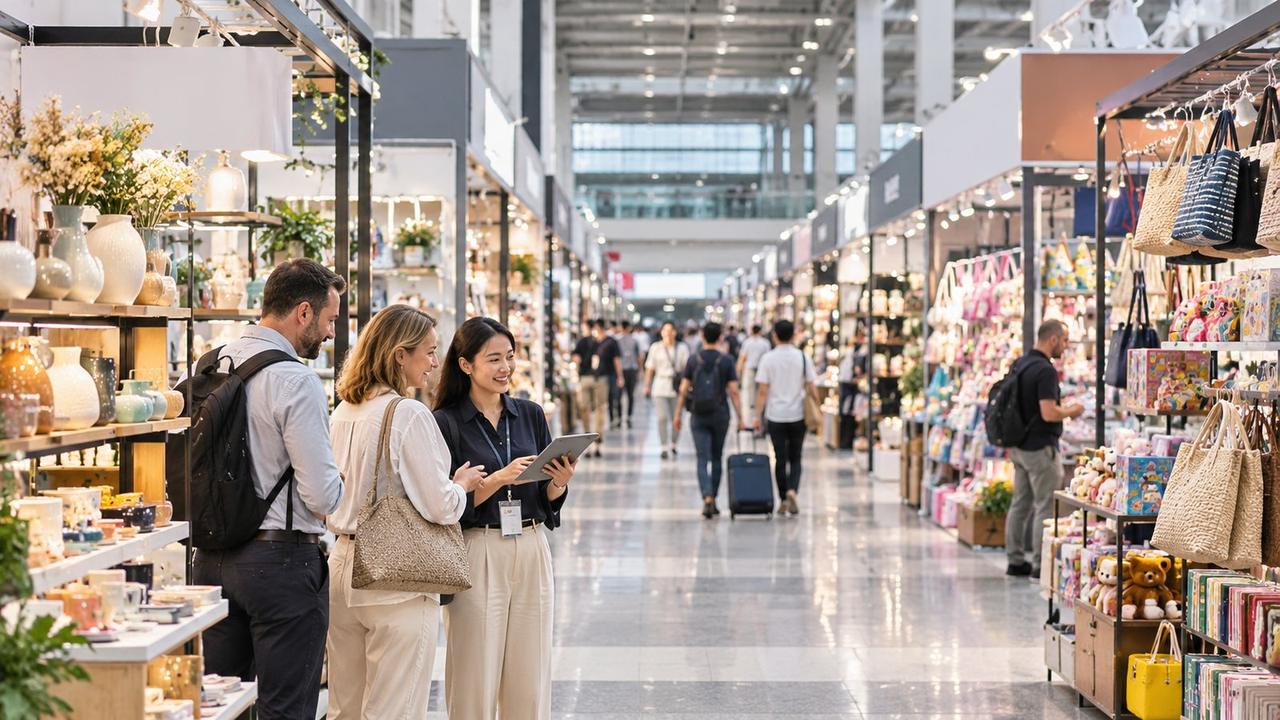
First imports are rarely smooth, and the difference between a good outcome and an expensive lesson is usually not luck. It is the set of checks the buyer did — or did not — make before placing an order. Most newcomers are not careless; they simply do not know which assumptions are risky until something goes wrong.
This guide covers the mistakes first-time importers make most often when sourcing from China, and gives a practical fix for each one. If you recognise a few of these habits in your own plan, that is useful: spotting them before you pay is far cheaper than correcting them after goods have shipped.
1. Choosing a Supplier on Unit Price Alone
The first quote that looks low is hard to ignore. But a unit price says nothing about material quality, workmanship, packaging, or compliance — and a cheaper item that fails inspection can cost far more than a slightly higher one that arrives right. Compare offers only after you have aligned the specification, quantity tier, packaging, and shipping terms.
Treat an unusually low quote as a question, not an answer. Ask what was left out, which materials are used, and what standard the goods will meet. The goal is the best total value for your requirements, not the smallest number on a spreadsheet.
2. Skipping Supplier Verification
A professional website and a friendly reply do not prove that a supplier is a capable manufacturer. Before you commit, check who you are actually dealing with: confirm the business registration, ask for production-line details, and look for evidence that they have made similar goods before. A video call on the factory floor is more revealing than a polished catalogue.
- Ask whether the company manufactures or trades, and request proof of production capability.
- Verify that the legal entity on the invoice matches the one you researched.
- Be wary of reluctance to show the facility, share process details, or discuss references.
Verification is not distrust; it is basic due diligence, especially on a first order.
3. Assuming the Sample Represents the Bulk Order
A flawless sample does not guarantee a flawless production run. Samples are often made by hand, with extra care and better materials than the bulk. Problems appear when the approved sample is not clearly defined, the specification changes silently, or no one inspects the goods before shipment.
Approve a dated “golden sample” and keep one for comparison. Record the agreed materials, colours, tolerances, and packaging in writing, and make sure the factory works from the same reference. Then inspect the bulk against that standard before goods leave — ideally at a checkpoint during production as well as before packing. If your product involves custom specifications or branding, discuss the inspection plan with our team so the checks match what you actually ordered.
4. Ignoring Packaging, Labelling and Compliance Rules
New importers often focus entirely on the product and forget that it must arrive legally and saleable in the destination market. Labelling, safety markings, language requirements, and packaging standards vary by country and category. Getting these wrong can mean relabelling, delays, or goods held at the border.
- Confirm which labels, warnings, and certifications your market requires before production.
- Specify retail packaging, barcodes, and carton marking in writing.
- Provide artwork and text exactly as they should appear, and approve a proof before printing.
Raise these requirements at the brief stage, not after samples are approved — packaging changes can affect minimums, costs, and lead times.
5. Leaving Incoterms and Logistics Vague
“We will ship it” is not a shipping plan. Incoterms define who pays for which part of the journey and, importantly, where responsibility for the goods transfers from seller to buyer. If this is left unclear, disputes over freight, insurance, and damage become almost inevitable.
Confirm the Incoterm, port of loading, delivery timeline, and who books the carrier. Decide how goods from multiple suppliers will be consolidated and who handles export documents. Make sure these terms appear on the proforma invoice or contract, not just in a chat message.
6. Underestimating Paperwork, Duties and Landed Cost
The price of the goods is only part of what you will pay. Freight, insurance, customs duties, taxes, and clearance fees all add up. New buyers who budget only for the product are often surprised when the total arrives. Work with your customs broker to classify the goods correctly and estimate duty before you place the order.
Make sure the commercial invoice, packing list, and any required certificates are accurate and consistent with each other. Mismatched documents are a common cause of delays. Agree in advance who provides each document and when, so nothing is scrambled together at the last minute.
7. A Simple Checklist Before Your First Order
Most of these mistakes are prevented by a short, disciplined review before payment. Use the table below as a starting point and adapt it to your product and market.
| Checkpoint | What to confirm before you pay |
|---|---|
| Supplier identity | Verified business entity, manufacturing capability, and matching invoice details |
| Specification | Agreed materials, dimensions, tolerances, and a dated golden sample |
| Commercial terms | Quantity, unit price tier, payment terms, and lead time in writing |
| Compliance | Labels, markings, and certifications required in your destination market |
| Packaging | Retail packaging, carton marks, and approved artwork or proofs |
| Quality control | Agreed inspection checkpoints and the standard goods are judged against |
| Shipping and documents | Incoterms, consolidation plan, and who supplies each export document |
None of these steps is complicated, but together they turn a first import from a gamble into a managed process. Slow down at the beginning and the rest of the order usually runs smoothly.
Frequently Asked Questions
What is the biggest mistake first-time importers make?
Choosing a supplier on unit price alone. A low quote can hide weaker materials, poor workmanship, or missing compliance. Compare offers only after aligning specification, quantity, packaging, and shipping terms, and judge value rather than the headline number.
How can I verify a Chinese supplier before I pay?
Confirm the business registration, ask for production-line details, check that the invoice entity matches the company you researched, and request a live factory video call. Reluctance to show the facility or share process details is a warning sign.
Why can bulk goods differ from the approved sample?
Samples are often hand-made with extra care, and details can drift once mass production starts. Approve a dated golden sample, fix materials and tolerances in writing, and inspect the bulk against that reference before shipment.
What are Incoterms and why do they matter?
Incoterms define which party pays for each part of transport and where responsibility for the goods transfers from seller to buyer. Agreeing them in writing prevents disputes over freight, insurance, and damage, so never leave shipping terms vague.
How do I make sure labels and packaging meet my market’s rules?
Check the labelling, safety marking, and language requirements for your product category and destination before production. Provide artwork exactly as it should appear, approve a proof before printing, and confirm any required certificates with your broker.
Avoid Costly First-Import Mistakes
Our Yiwu-based team helps new importers verify suppliers, lock down specifications, plan quality checks, and get shipping terms right from the start. Tell us what you plan to import and we will help you set it up properly.