
Business Visits
How to Plan a Yiwu Market Sourcing Trip: A Practical Buyer’s Guide
A step-by-step plan for navigating Yiwu’s wholesale market — which zones to focus on, what to bring, how to compare quotes, and what to do after you leave.
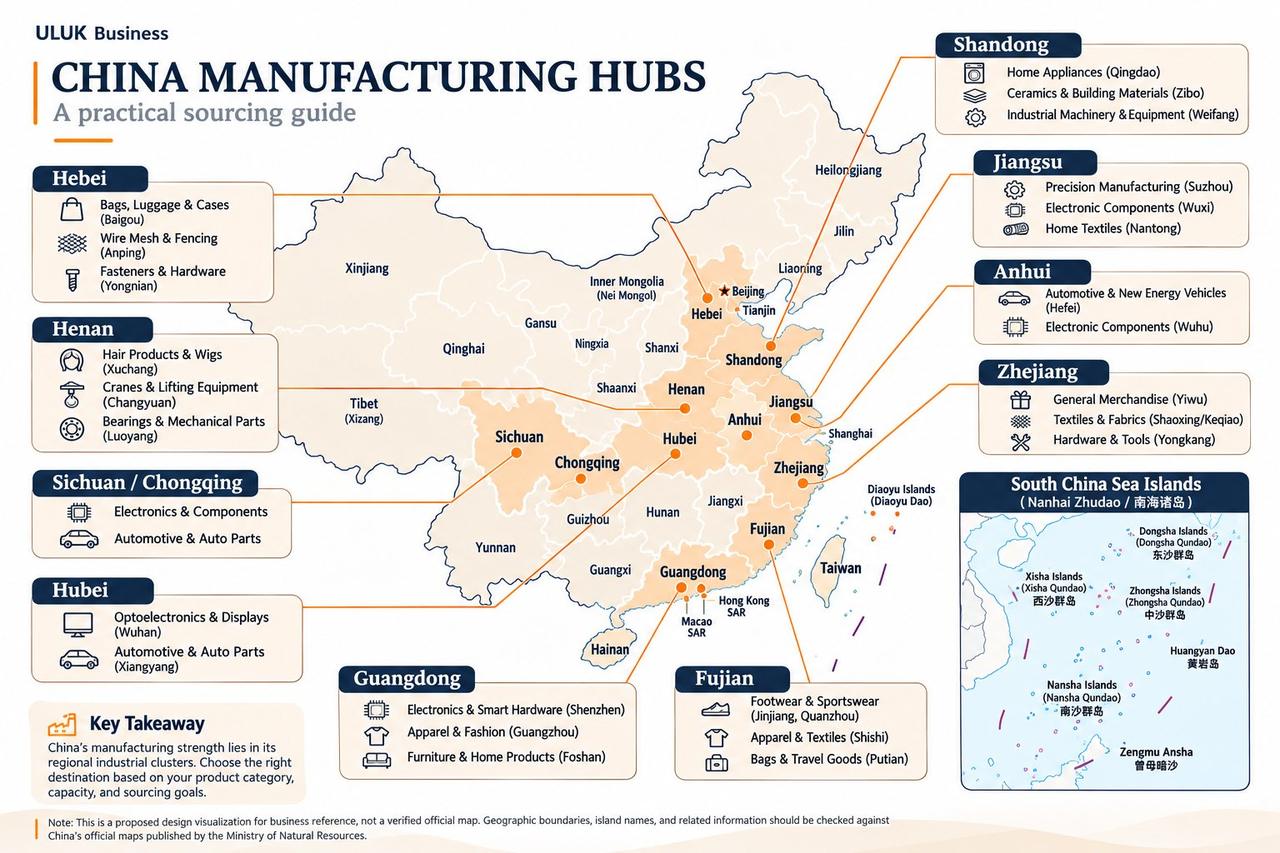
Yiwu’s wholesale market is enormous — thousands of stalls spread across several districts, with more product categories than any one buyer can cover in a day. Walking in without a plan is the fastest way to lose two days and return with a notebook full of unreadable notes and no clear next step.
This guide focuses on the practical side of a Yiwu sourcing trip: how the market is organised, what to prepare before you fly, how to plan each day, how to record and compare quotes, and how to turn a pile of business cards into real orders.
1. Understand How the Market Is Organised
The market is divided into districts and buildings, each with a broad category focus — accessories, gifts and toys, household goods, textiles and apparel, hardware, and small electronics. There is overlap between areas, so treat the divisions as a starting point rather than a strict rule. Pick up a current market map on arrival and shortlist the zones relevant to your categories before you step inside. Confirm opening hours before you travel, as they can vary around public holidays, and plan to start each day early when the market is less crowded. A local guide can point you to the right buildings and save you hours of aimless walking.
2. Prepare a Sourcing Checklist Before You Go
The buyers who get the most out of Yiwu arrive with a clear brief. Decide in advance what you must find, what would be nice to have, and what you can ignore. Bring physical references where possible so stall owners can match your requirements quickly.
| Bring / prepare | Why it matters |
|---|---|
| Product photos, sketches, or a sample | Shows exactly what you want without relying on language |
| Written specifications and must-haves | Keeps different suppliers’ quotes comparable |
| Target quantity and price range | Lets stall owners propose realistic options immediately |
| Packaging and branding requirements | Reveals custom minimums and printing costs early |
| Notebook or tablet and a camera | Records stall numbers, quotes, and product photos on the spot |
| Business cards and a contact method | Makes follow-up possible once you leave the stall |
Decide how you will keep records before you arrive — a simple spreadsheet template works well.
3. Plan Each Day by Zone, Not by Impulse
Group your visits by category and building rather than wandering. Review the map each morning, set a short list of zones for the day, and leave gaps for unexpected finds. A focused day might cover two or three areas with short breaks between them. Do not try to see everything; you can always return to a district on a later visit. If you are combining the market with supplier meetings outside it, keep those as separate blocks so one does not crowd out the other. Set a realistic target for how many stalls you will visit, and build in time to sit down and take proper notes rather than only collecting cards. Review what you learned each evening and adjust the next day’s zones accordingly.
4. Record and Compare Quotes Consistently
Quotes are only useful if you can compare them later. Use one standard format for every stall you visit so differences become obvious back at the hotel.
- Stall and supplier details — number, building, company name, and contact.
- Product reference — photo, item code, and the exact variant quoted.
- Commercial terms — unit price tiers, minimum quantity, lead time, and packaging.
- Shipment terms — Incoterms, port of loading, and whether consolidation is possible.
- Sample status — whether a sample is available, its cost, and who pays shipping.
Take a photo of each product together with its price tag or written quote. Photograph each business card alongside the product so you can match names to items later, and store everything in one folder by category. Memory is unreliable after a long day in a busy market.
5. Ask the Right Questions at Each Stall
A few targeted questions separate a useful supplier from a polite conversation. Ask whether they manufacture or trade, what can be customised, whether the item is in stock, and how long production takes. Confirm who handles export documentation and whether they have supplied your market before. Ask for their preferred contact channel for follow-up and an electronic catalogue. Note whether they can support small trial orders — this matters when you later negotiate minimums. The answers will tell you which stalls deserve a second visit and which should stay in the maybe pile.
6. Follow Up While Details Are Fresh
Sort your notes the same evening. Rank suppliers into a short list and send each a concise message that restates the product, quantity, agreed terms, and a request for samples. Attach the photos you took so they know exactly what you mean. Compare samples side by side when they arrive, and verify the shortlisted suppliers before committing to a larger order. A clear written summary sent within a day or two is often what turns a market contact into an active supplier. Do not try to follow up with every stall you visited — focus on the shortlist that matched your specification and terms. A focused list gets far better responses than a mass message sent to everyone.
7. Decide What to Carry Home and What to Ship
Small samples can usually go home in your luggage; keep them labelled and matched to your quote sheet. For heavier or bulkier items, arrange a courier or consolidation shipment through your local team rather than dragging them through airports. Keep a record of what is travelling by which route, and declare samples correctly at customs. When the production sample arrives, compare it against the original you kept from the market — it is the clearest way to check whether a supplier matched what they showed you. Knowing all this in advance avoids a last-minute scramble at the end of the trip.
Frequently Asked Questions
Do I need to make appointments with suppliers before visiting Yiwu market?
The market is largely walk-in, so you can browse without appointments. For specific factories or serious meetings, a local team can pre-arrange visits and interpretation so your time is used well.
How many days should I allow for a Yiwu sourcing trip?
For a focused trip, three to four days is a practical starting point. The right length depends on how many categories you need to cover and whether you are also visiting factories or other cities.
How do I bring samples back home from Yiwu?
Small samples can usually travel in your luggage — keep them labelled and matched to your quote sheet. For heavier items, use a courier or consolidation service and declare samples correctly at customs.
Do I need an interpreter or local guide in Yiwu?
Strongly recommended. While some stall owners speak English, many do not. A bilingual guide helps you ask precise questions, negotiate terms, and avoid costly misunderstandings.
Can I combine a Yiwu market visit with factory visits?
Yes. Many buyers use Yiwu to shortlist products and then visit nearby factories to confirm production capability. Keep the two as separate objectives so neither is rushed.
Plan a Yiwu Sourcing Trip That Pays Off
Our Yiwu-based team knows the market district by district. Tell us your categories and goals, and we will map the right zones, arrange interpretation, and help you turn quotes into orders.